AI manager
Answered
Good morning,
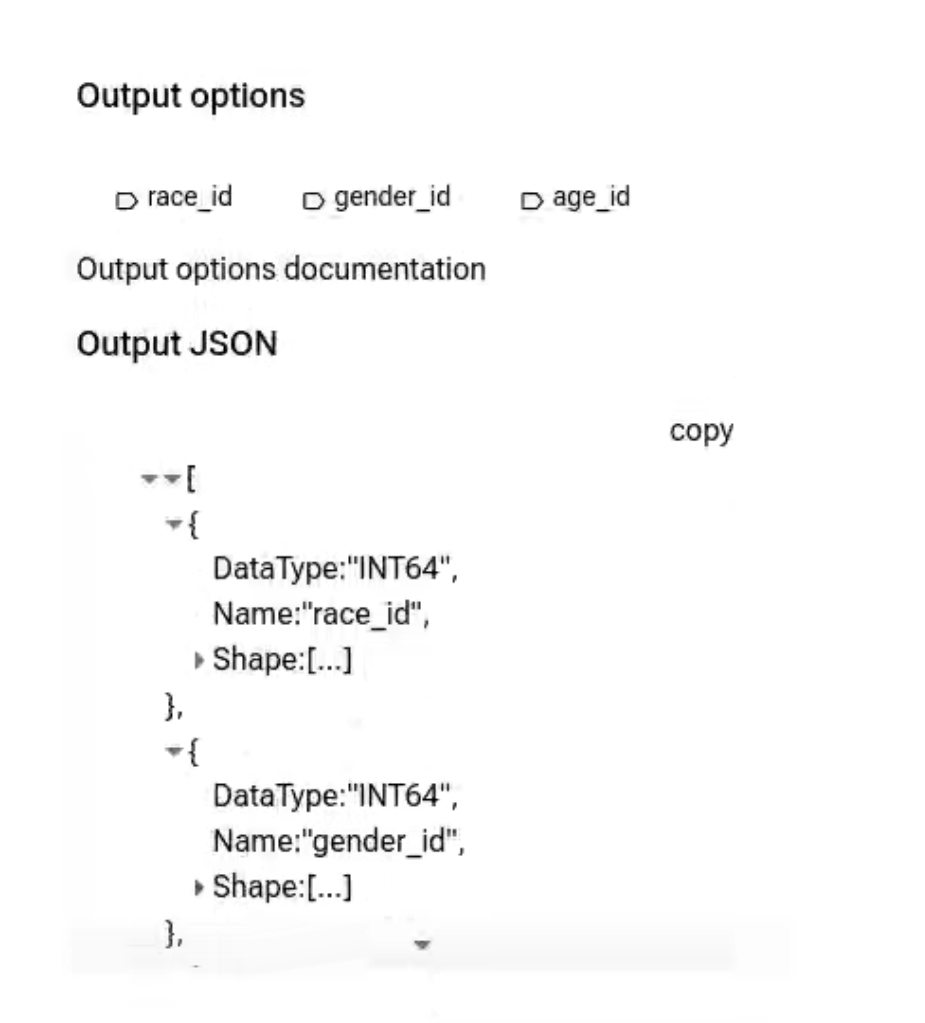
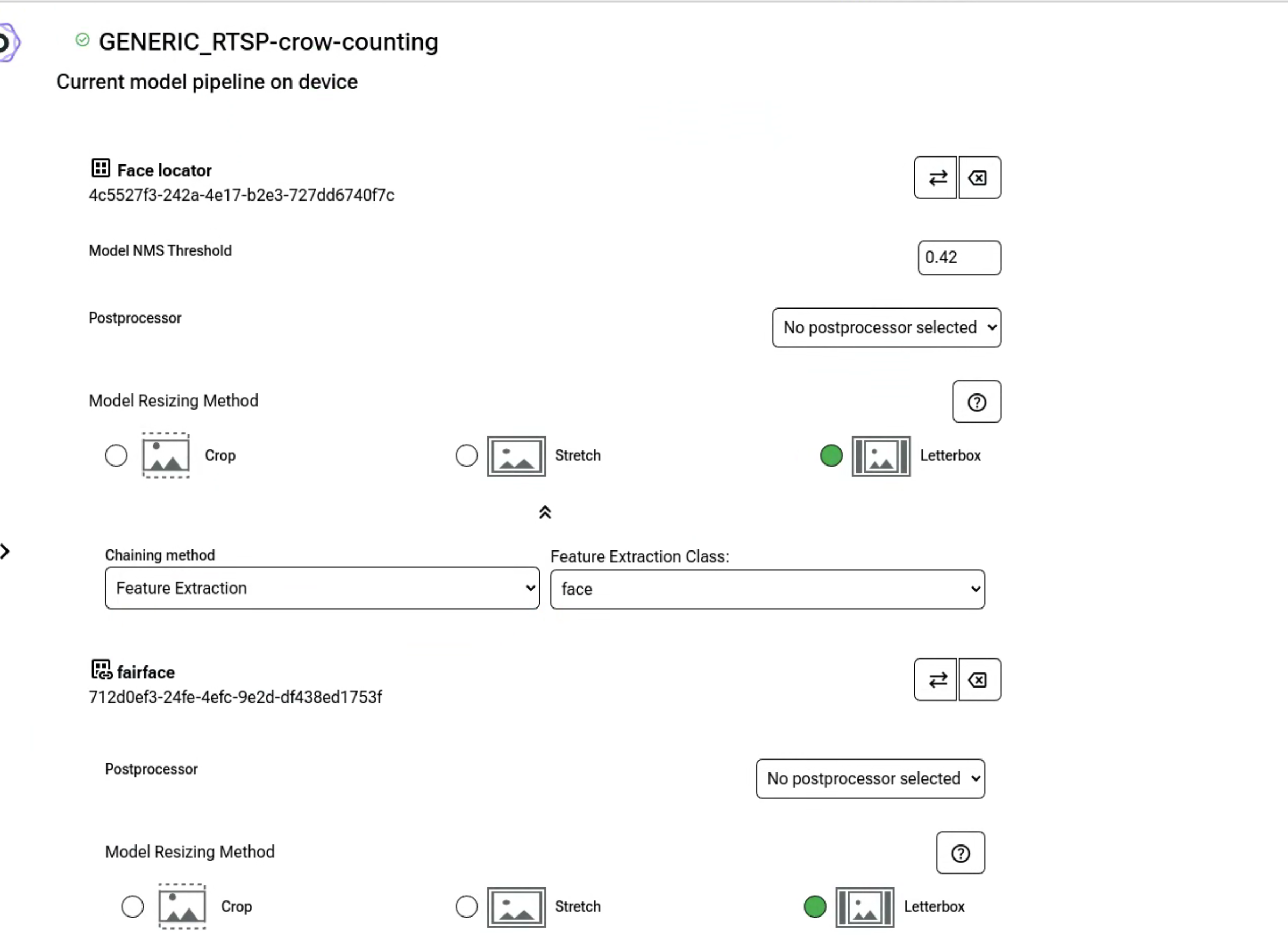
I’m having trouble using my face model. The model is configured with three classes—age, gender, and race—but in my VMS the results appear under different or incorrect classes.
What I expect
- Predictions should be reported only for the three classes: age, gender, race.
What I’m seeing
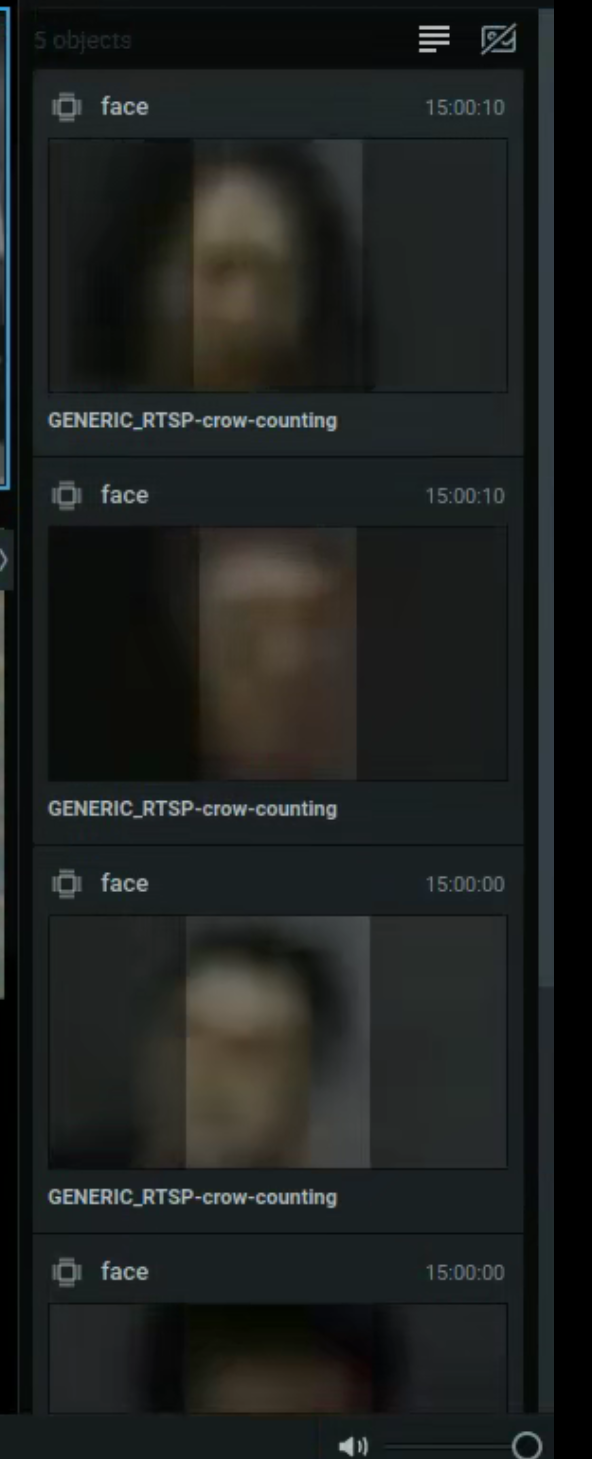
- VMS displays results mapped just to class face.
Could you please take a look and advise?
Thanks in advance for your support!
Best regards,
Hilal Genc
-

Hi Hilal Genc,
Thanks for your question, but I am not very sure the case that you have, can you elaborate more on your issue?
However, there are a few unusual design,
face - it is an object can be detected, so the class object sounds quite reasonable.
age and race - They are not objects but attributes? This means how do you detect “a” 38-year-old or a “Anglo-Saxons”. Should it be a face, the attributes attach to the face?
Am I understanding incorrectly?
In this case, it is more reasonable that you detected the face, but with the attributes of “age” and “race”.
Thanks.0 -
Hi Ichiro,
thank you for your quick reply. Let me clarify my case a bit more:
- You are correct that "face" itself is the main object detected.
- My model, however, is configured to provide attributes for each detected face: age, gender, and race.
- The issue is that in VMS these attributes are not shown under their respective categories (age, gender, race), but instead all mapped back only to the generic class "face".
What I would expect is:
- Face → as the detected object.
- Age, Gender, Race → appear as attributes associated with the detected face, not as separate object classes or lumped together.
Could you confirm if VMS supports mapping these outputs as attributes of a detected object? Or is there a specific configuration step required so that the attributes do not just collapse into the face class?
Thanks a lot for your guidance!
Best regards,
Hilal Genc0 -
Hi Hilal Genc,
Thanks for update. And yes, the MetaSDK supports this feature since it was created.
- Face → as the detected object.
- Age, Gender, Race → appear as attributes associated with the detected face, not as separate object classes or lumped together.
This is exact the feature of the integration and this is also the proper as well expected way to use it.
So you expectation is definitely doable, likely your manifest was not defined in the way you want.Have you set your attributes in the manifest of device agent?
Please see the manifest.md in metasdk for more detail and the reference code is also available at “STUB:Object detection”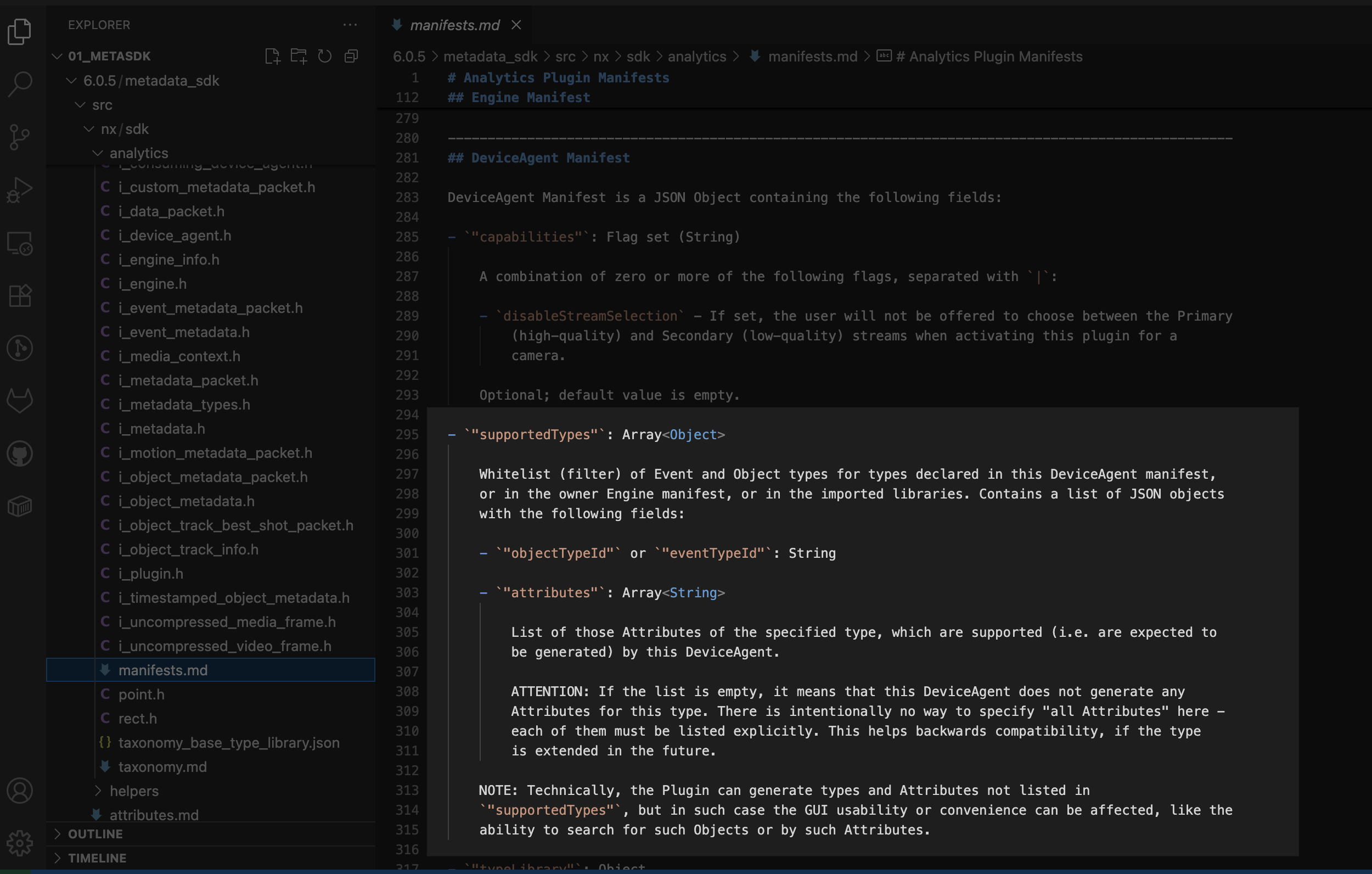
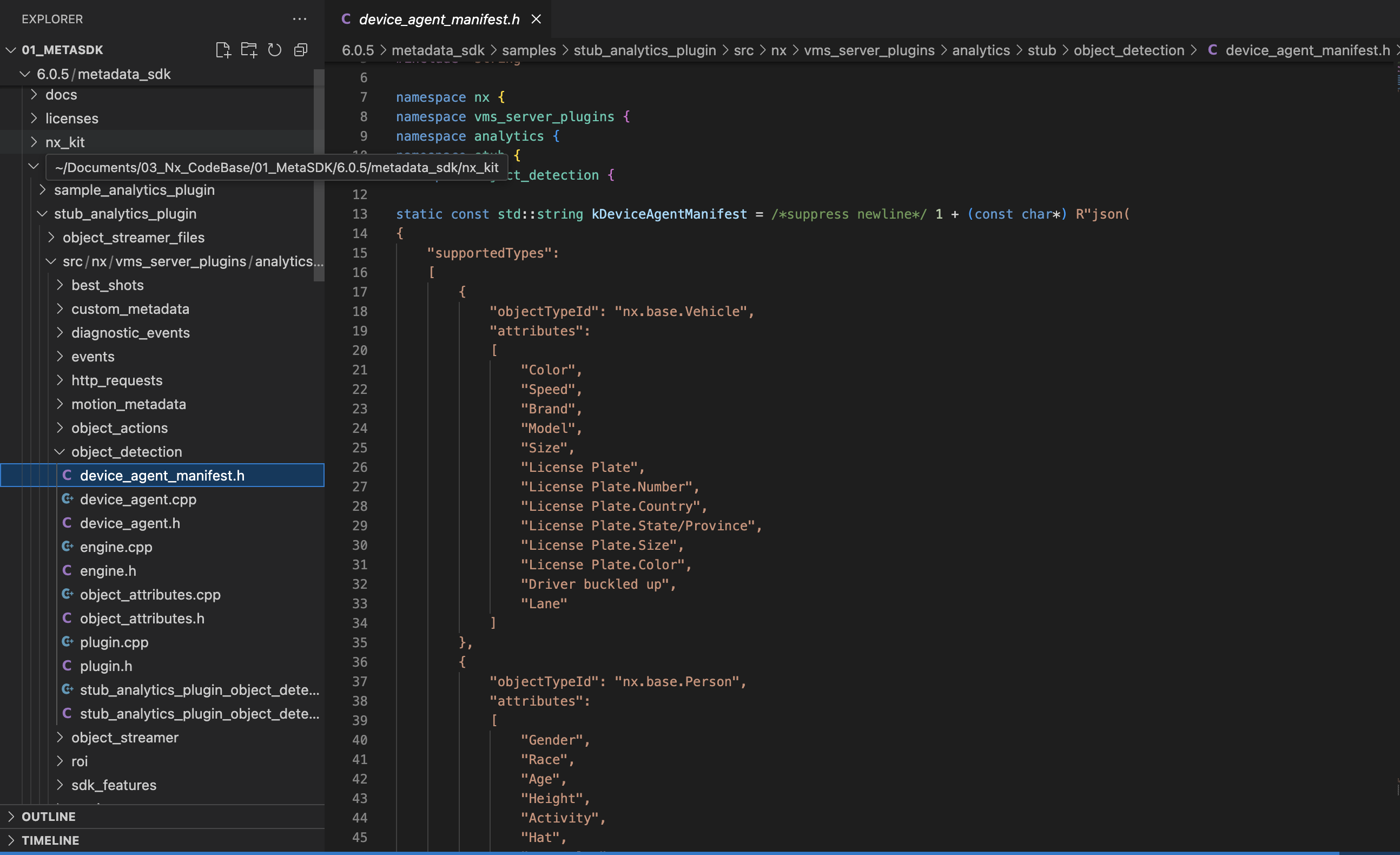
Thanks.
0
Please sign in to leave a comment.
Comments
3 comments